AI Image Generation in 2026: Midjourney vs DALL-E vs Stable Diffusion
Published March 2026 — by Syed Shahid — 9 min read
AI image generation has matured into a genuinely useful category of tools. Where 2022 was about novelty and 2023 was about rapid iteration, 2026 is about stable, production-quality results that professionals can rely on. The three major names in the space — Midjourney, DALL-E, and Stable Diffusion — have each carved out distinct positions.
This comparison helps you choose the right one based on your actual needs rather than hype.
Quick Summary
| Tool | Best For | Price | Ease of Use | Output Quality |
|---|---|---|---|---|
| Midjourney | Artistic, editorial, high-impact visuals | From $10/mo | Intermediate | Exceptional |
| DALL-E 3 | Accurate, text-integrated, versatile | Via ChatGPT Plus | Very easy | Very good |
| Stable Diffusion | Custom, private, fine-tuned workflows | Free (self-hosted) | Advanced | Variable/high |
Midjourney
Midjourney remains the benchmark for visual quality in AI-generated art. The outputs have a distinctive aesthetic quality that photographers and art directors often describe as cinematic and painterly. Version 6 improved realism significantly, making it more useful beyond artistic contexts.
Strengths
- Consistently stunning visual output, especially for editorial and marketing use
- Strong community and extensive public prompt library on Discord
- Aspect ratio control, upscaling, and style consistency features are mature and reliable
- Character reference and style reference features allow consistent branding across images
Weaknesses
- Still operates primarily through Discord (a dedicated web interface exists but is less featured)
- Text rendering inside images remains inconsistent — not ideal when accurate text is required
- Less control over exact compositional detail compared to newer models
Best use cases
YouTube thumbnails, editorial illustrations, social media content, concept art, book covers, and any creative work where aesthetic impact matters more than pixel-perfect control.
DALL-E 3 (via ChatGPT)
DALL-E 3 integrated directly into ChatGPT Plus is a significant practical advantage. You can describe an image in natural language, refine it through conversation, and get accurate results without writing complex prompts. The model handles text in images far better than Midjourney — a genuine differentiator for marketing materials, signage, and infographic-style work.
Strengths
- Conversational interface lowers the barrier to entry dramatically
- Historically best-in-class at accurate text rendering within images
- Tight integration with ChatGPT means you can write prompts in a conversation flow
- Less likely to refuse safe creative prompts compared to older DALL-E versions
Weaknesses
- Output quality slightly below Midjourney V6 for purely artistic work
- Cannot fine-tune on custom datasets without API access
- Rate limits apply on ChatGPT Plus; heavy users need the API for volume work
Best use cases
Product mockups, illustrations requiring accurate text, marketing visuals, rapid prototyping of visual concepts, and use cases where non-technical users need good results quickly.
Stable Diffusion (SDXL & SD 3)
Stable Diffusion sits in a different category from the other two. It is open-source, self-hostable, and infinitely extensible. SD3, released in late 2025, brought text rendering improvements and quality comparable to cloud tools. The tradeoff is setup complexity and hardware requirements.
Strengths
- Fully open source — can run locally with complete privacy
- Fine-tuning on custom datasets (LoRA, DreamBooth) enables highly consistent character and style work
- A vast ecosystem of community models on Hugging Face and CivitAI
- No usage limits when self-hosted — ideal for high-volume production
- SD3 produces photorealistic results that rival commercial tools
Weaknesses
- Setup and configuration require technical knowledge (GPU requirements, model selection, UI choice)
- Output quality from base models without tuning is variable and depends on prompt craft
- No single managed service — options like Replicate or RunPod help but add complexity
Best use cases
Custom character consistency, private/confidential visual projects, high-volume production pipelines, fine-tuning for brand-consistent outputs, and technically inclined users who want full control.
View Stable Diffusion listing →
What About Leonardo AI?
Leonardo AI deserves a mention as a managed platform built on top of Stable Diffusion that significantly reduces the setup complexity. It offers fine-tuned models, a clean web interface, and a free tier. For users who want Stable Diffusion power without self-hosting, Leonardo is one of the most practical options.
Which Should You Use?
- For general creative and marketing work — start with DALL-E 3 via ChatGPT Plus. Low friction, reliable results.
- For premium editorial or artistic output — Midjourney. The output ceiling is higher for visual impact.
- For custom pipelines, privacy, or high volume — Stable Diffusion with a platform like Leonardo AI or self-hosted via RunPod.
All three are worth having access to at different points. Most professional creators in 2026 use at least two depending on the task.
How to Build a Professional AI Image Workflow in 2026
A lot of creators test image models but never build a repeatable workflow. That is the biggest gap between experimenting with AI art tools and shipping production-quality visual content every week. A practical workflow starts with one clear objective for each image batch: ad creative, thumbnail testing, brand storytelling, or product explainers. When the objective is clear, your prompts, model choice, and post-processing decisions become faster and more consistent.
Many teams now combine model strengths instead of forcing one model to do everything. For example, they ideate visual directions in ChatGPT, generate premium compositions in Midjourney, and use DALL-E when accurate text placement matters. This multi-tool approach reduces creative bottlenecks and improves turnaround time for campaigns.
Prompt Strategy That Improves Output Quality
Prompt quality is still a major differentiator in AI image generation. High-performing prompts usually define subject, style, lighting, framing, mood, and context in one structured line. Instead of saying "futuristic city," stronger prompts include camera angle, color tone, and output purpose, such as "hero banner for SaaS landing page." In 2026, prompt engineering for visuals is less about magic words and more about design intent.
For production teams, prompt libraries are essential. Save your best prompts, label them by use case, and keep version notes for edits that improved output. Over time, this becomes a proprietary asset that shortens delivery cycles and improves consistency across projects.
Where This Fits in the Bigger AI Content Stack
Image generation does not operate in isolation. The strongest creators pair it with AI writing, research, and automation workflows. If you are building an end-to-end pipeline, also review Best AI Tools for Productivity, How to Earn Money Online Using AI Tools, and AI Agents Are Getting Practical in 2026. These guides help connect visuals to publishing, client delivery, and business outcomes.
FAQ: AI Image Generation in 2026
1) Which AI image tool is best for beginners?
DALL-E inside ChatGPT is usually the easiest starting point because the conversational workflow is simple and fast. Beginners can describe edits in natural language and iterate without complex syntax.
2) Is Midjourney still the best for quality?
For many artistic and editorial use cases, Midjourney still has one of the highest visual quality ceilings. It is especially strong when style, atmosphere, and cinematic composition matter more than literal prompt precision.
3) When should I use Stable Diffusion?
Use Stable Diffusion when you need local control, custom fine-tuning, privacy, or high-volume generation. It is ideal for advanced users who can manage model selection and workflow setup.
4) Can AI-generated images be used for client projects?
Yes, many agencies and freelancers now use AI image tools in paid projects. You should still review licensing terms for each platform and maintain human quality checks before client delivery.
5) Which tool should marketers pick first?
Start with a two-tool stack: Midjourney for high-impact visuals and DALL-E for fast iterations with text integration. This balance covers most social, ad, and landing-page requirements.
Related Articles
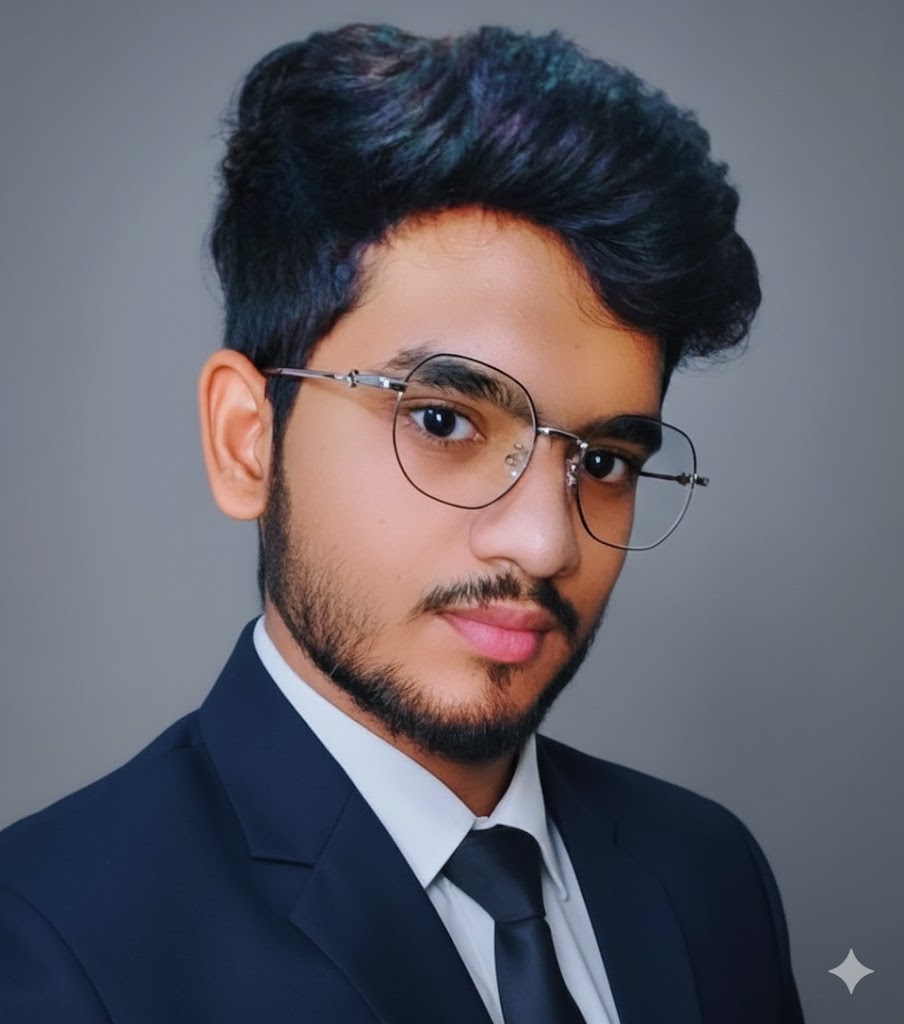
About the Author: Syed Shahid
Syed Shahid is the founder and admin of Lookforit.xyz, based in Hyderabad. He is pursuing B.Sc Computer Science at St. Mary's College, Yousufguda, and writes practical guides on AI tools, online income systems, and digital workflows for students, creators, and builders.